
SCORS is Paxmata`s comprehensive reputation system. It combines verified project history with user feedback to create a balanced representation of stakeholder reliability and performance.
Unlike traditional review systems that rely solely on subjective opinions or static metrics, SCORS integrates verified project performance with weighted user feedback. This dual approach creates a more nuanced and reliable reputation system that helps build trust between project owners, developers, and investors.
Think of SCORS as a neighborhood watch for your property ventures—where everyone`s reputation is openly available and you can pick the best partners for your project.
Your SCORS rating follows you across all projects on the Paxmata platform, incentivising positive behavior and creating accountability. It serves as a powerful indicator of reliability for other users when deciding who to collaborate with.
SCORS uses an internal score from 0.0 to 10.0 and a public display score from -5.0 to +5.0, where higher values represent stronger performance and reliability:
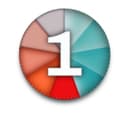


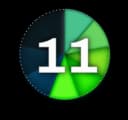
SCORS ratings are represented by color-coded circles that make it easy to quickly assess user reliability.
New users typically start at a neutral internal SCORS of 5.0, which is displayed publicly as 0.0. As users complete projects and receive stronger performance signals, their score can move toward the upper end of the range.
Negative outcomes can move the score downward, while strong results move it upward. In the current model, score changes are applied when a project is completed rather than through an inactivity decay mechanism.
A critical component of SCORS reliability is our identity verification system. To prevent manipulation of the reputation system, Paxmata implements role-specific verification requirements:
All developers on the platform undergo comprehensive KYC (Know Your Customer) verification. This identity validation ensures that:
When you see a developer’s SCORS, you can trust that it represents their actual performance history, not a newly created profile designed to hide past issues.
Project owners who seek to borrow funds through the platform’s P2P lending system also undergo KYC verification. This ensures:
Lenders (who provide P2P funding for projects) have more flexible verification requirements, as they are contributing funds rather than receiving them. However, their lending activities still contribute to their platform reputation.
By linking SCORS ratings to verified identities, Paxmata creates a reputation system with real-world consequences. This approach significantly reduces the risk of working with unknown parties in the construction and real estate sectors, where trust has traditionally been a major challenge.
All verified professional qualifications are protected for security and fraud detection, further reducing the possibility of secondary account creation to circumvent negative SCORS ratings.
SCORS evaluates users based on several key performance metrics that are automatically tracked through completed project activity:
Tracks the successful completion of projects compared to the total initiated. Measures follow-through ability.
Measures the average time taken to verify milestones. Reflects responsiveness and engagement.
Evaluates on-time delivery of project milestones. A key indicator of reliability and planning ability.
Calculates the percentage of successfully completed projects relative to all attempted projects.
Based on feedback from project owners about the quality of completed milestones and deliverables.
Evaluates responsiveness, clarity, and professionalism in project communications as rated by collaborators.
Measures how effectively challenges and disputes were handled during project execution.
Captures the general experience of working with the user across different project aspects.
These objective metrics are complemented by subjective user feedback, including project reviews, quality assessments, and communication ratings. The combination of these metrics is weighted differently based on user roles. For example, for developers, on-time milestone completion and quality ratings may carry more weight, while for project owners, verification speed and communication scores might be more significant.
SCORS combines both objective project metrics AND subjective user feedback to create a comprehensive reputation score. This balanced approach provides a more complete picture of a user’s reliability than either metric alone could provide.
The SCORS system combines verified project data with subjective collaborator feedback. The current implementation follows a 60/40 split, with objective metrics contributing 60% and subjective metrics contributing 40%.
SCORS is recalculated when a project completes, after Paxmata records the latest milestones, proposals, and available reviews. That keeps the score tied to completed work rather than isolated activity spikes.
For example, consistently completing milestones on time might increase your objective metrics by 0.2–0.5 points per successful project, while receiving positive feedback about work quality could boost your subjective metrics by a similar amount. The combined effect of strong performance in both areas can gradually move a user toward the highest tier. Conversely, on-time completion with poor quality work, or excellent quality that’s consistently late, would result in a more moderate score that reflects these mixed results.
Whether you're a developer, project owner, or investor, there are specific actions you can take to maintain and improve your SCORS rating:
Consistently completing projects and earning strong collaborator feedback is the clearest way to improve SCORS. Inactivity alone does not reduce it.
Your SCORS rating significantly impacts your experience on the Paxmata platform and the opportunities available to you:
Users with higher SCORS can access more exclusive projects and have their proposals prioritised in the matching process.
Your SCORS determines which lending pools you can access. Higher-rated users qualify for lower interest rates and more favorable terms.
Top-rated developers and project owners receive enhanced visibility in search results and may be featured in `Top Developers` sections.
Users with exceptional SCORS may qualify for reduced platform fees, creating additional cost savings for consistent high performers.
SCORS effectively functions as your financial and professional reputation in the Paxmata ecosystem. A strong score opens doors to premium opportunities, while a weak score may limit your options until you demonstrate improved reliability.
A developer with a SCORS of 9+ can access high-value projects, qualify for the lowest interest lending pools, and enjoy priority matching with new projects. In contrast, a developer with a SCORS below 4 may be limited to smaller projects and face higher interest rates until they rebuild their reputation through consistent performance.
In the current implementation, SCORS does not automatically decay because of inactivity. Your score changes when completed projects produce new objective and subjective inputs.
Yes, you can dispute aspects of your SCORS rating. For objective metrics, if you believe there was an error in milestone verification or project history, you can request a review. For subjective feedback, you can submit a response to reviews that you believe are unfair or inaccurate. Our moderation team reviews these disputes and can adjust scores if they find evidence of errors or unfair feedback.
Improvement speed depends on project quality, collaborator feedback, and the value and duration modifiers of completed work. Strong results can improve your score steadily, but movement is capped on each project.
While Paxmata maintains different metrics for different roles, there is some crossover in your base reputation. Extremely negative behavior in one role may have a limited impact on your rating in other roles, but the specific metrics are calculated separately.
Yes, on your profile page, you can access a detailed breakdown that shows your performance across both objective and subjective metrics. The dashboard displays your ratings in each category, the relative weighting applied to each factor, and a history of score changes over time. This transparency helps you understand exactly which areas to focus on for improvement and how both your verified project performance and client feedback contribute to your overall reputation.
SCORS is more comprehensive than most rating systems because it balances verified project history with human feedback. Unlike traditional credit scores that only track financial history, SCORS measures actual project performance and collaboration quality. And unlike typical platform ratings that rely solely on subjective reviews, SCORS incorporates objective activity records. This balanced approach provides a more authentic and reliable representation of a user’s capabilities in the construction and real estate context.